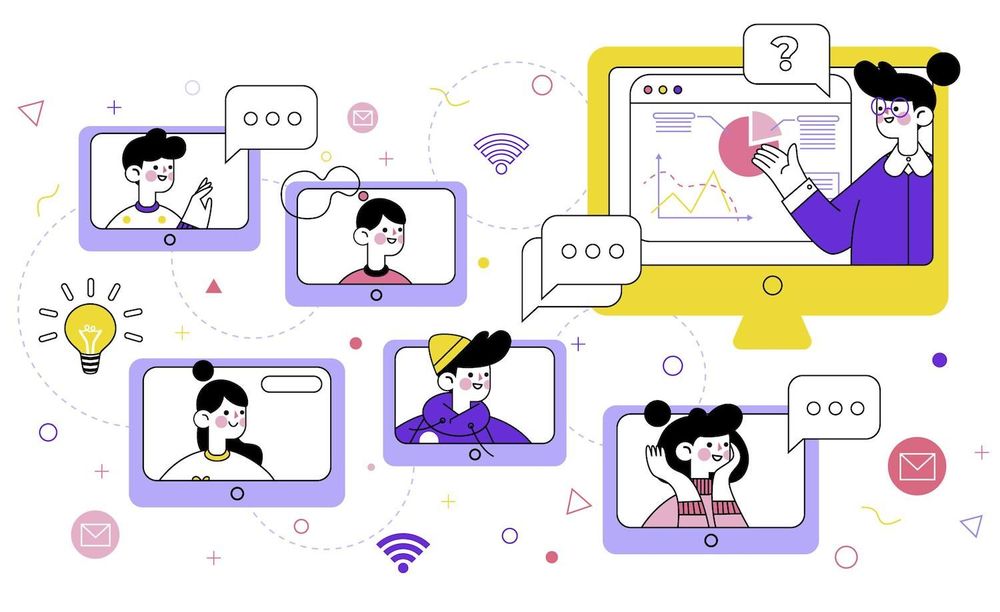
What do businesses think of the Creator Economy (and how you can make money from it) -
as a creator of content, there are numerous ways to make money: through sales of goods and services, by selling of courses, and by promoting content.
Many content creators build on their interests: via blogging creating courses, blogging, or creating merchandise that reflects their brand. Sponsored content is another great option to grow your income.
By combining a few bits of expertise, some numbers to back up your pitch, and some outreach with a little effort, you'll be on your way to earning more and creating relationships that will continue to yield.
How Does the Creator Economy Work?
It is all about the provision of content (education entertainment, entertainment, as well as information) that is made available via the internet as well as web-based app platforms for people in general. According to Signalfire that the Creator Economy is built of "over 50 million individual artists, creators of content, and community builders such as social media influencers, bloggers and videographers, as well as the finance and software instruments designed to assist them with growth and monetization."
Creators
Creators are the backbone of the Creator Economy. Creators provide the content that people love to consume. From dancing on TikTok to photos on Instagram videos on YouTube (and all of the rest) Creators offer us every reason to browse for information, to be entertained, and entertain ourselves.
Creativity is sought-after and continue to remain a need. Creators bring that to the public.
Consumers
Think of consumers as a creator's customers. Most platforms, customers do not pay for the content. People vote by their thumbs - by moving quickly or stopping on a creator's account to partake of their material.
Although consumers may not directly pay for the media they consume but they can be guided by creators of content to buy products or purchases which are either clearly distributed, or are subtly being offered.
Throughout 2020-2021, TikTok creators began displaying The Coldest(tm) containers of water in their 60-second videos. Although the company has not disclosed their revenue due to this product placement due to the duration of the product placement, as well as the sheer number of content creators involved we can conclude that there was at the very least, a modest amount of success - if not existential growth. A quick internet search for the product reveals numerous pages of sales and reviews potential.
The way consumers are influenced can come from creators they follow and admire.
Platforms
Platforms to create content move and disappear - or come and stay. Vine, for example, was an American short-form video hosting platform which allowed users to upload six-second-long, looping video clips. (Wikipedia.) Vine was a short-lived platform. Other social sharing platforms (like Facebook, YouTube, Instagram, Snapchat, and TikTok) have survived.
Platforms allow creators to share their content, and a built-in audience to take in the content.
Companies
The Creator Economy business could be one or a combination of many participants. Creators themselves can grow to be enterprises. Social sharing platforms are certainly businesses. What we're trying to focus on here is the role of businesses as content sponsor.
Companies (like The Coldest(tm) previously mentioned) look for content creators for influencers they can partner via product placement or endorsement.
Content sponsorship is a part of an advertising plan for a company. Engage influencers and share your products so that their audiences will be your new customers.
The Creator Model of Business Model
Based on our above definitions, relationships between content creators along with their platforms as well as business sponsors have the potential to provide the creators with revenue. There are several ways that this could occur.
Platform Revenue Sharing
Sometimes referred to as "creator funds," platforms pay more popular creators to continue to produce media. Because creators like these have a major impact on the usage of their respective platforms, social media giants like Facebook, Instagram, Pinterest, Twitter, and yes, TikTok, pay creators to ensure that traffic continues.
The platforms pay advertisers for advertising place and time. (How often have you had to endure 5or 15 second advertisements on YouTube in order to view a video?) Platforms rely on creators for traffic. So having content that drives traffic is worth investing in. This is where you, as the content creator, comes in.
Platforms are waiting to compensate you for media that offers something (information, education, entertainment).
Affiliate Marketing
Content creators have been a part of affiliate marketing ever since the beginning of social media sharing. With affiliate links in hand, social media users, YouTubers, bloggers and more share about items and services that they utilize in their posts They then distribute their affiliate links for followers to use for purchases.
Affiliate marketing (like the placement of brands and products below) can be effective since followers are conditioned to believe that the source of content uses and endorses what they are sharing. It is often referred to "social proof," endorsements and reviews aid consumers in making purchase decisions by relying on the trustworthiness.
Product Positioning
Similar to the Coldest Water(tm) instance it, the placement of product is generally discrete. (With this example, TikTok users simply had their signature blue bottle within the video.)
Product placement also implies approval from the author of the content. When you observe someone you admire using a product, you assume they are happy with it. You then extrapolate that you will as well.
In the article published by Elite Daily, platform users become obsessed with items they've found via influencers. From skincare products to food storage containers, product placement works.
Brand sponsorship
Brands sponsor content. It doesn't matter if you're distributing videos, newsletters or podcast, blog posts, and yes, even courses, brands will pay you to sponsor your content.
Many TikTok creators' entire accounts are dedicated to Amazon "finds" that they would like you to purchase and try. It is not uncommon for those products can sell to you through endorsements. Sponsored content is a win/win both for the brand and the consumer.
The majority of the time, businesses seek sponsorship of content that is relevant to the services and products they offer, but this doesn't mean that it is always the case. Brands with larger reach, such as Coca~Cola, for example, sponsor events and content simply because they see an opportunity for sales as well as the content can be seen by a large number of. The most well-known CocaCola commercials depicted a footballer "Mean Joe Green" drinking Coca~Cola during a game. Athletes seldom consume beverages like that at sporting games, but this advertisement hit the mark with consumers as well as being re-used more than 40 years after the fact.
Most brands, however, will look to sponsor content that aligns to their services and products. If you offer online courses in photography, for example then you could seek sponsorships from products or services like photo sharing sites that cater to professionals. Professional photographers, cameras and equipment for photography.
The courses that offer cooking recipes and other content could have sponsors from the producers of kitchen utensils as well as food preparation tools and even food brands.
The more aligned your content a brand is and the greater your reach will be, the more likely your brand will say yes to sponsorship opportunities.
Collaboration with sponsors to Monetize Your Content
Although sponsors may be interested in working with you, it's most likely that (at most when you're starting out) you will have to reach out to potential sponsors. There are certain things you'll be required to know prior to that in order to make your presentation professional, and have the ability to address the questions of potential sponsors.
Develop Your Sponsorship Offerings
The first step is to decide which sponsorship opportunities you'll include, as well as the amount you'd like to make a charge for your sponsorship. Think about all the information you publish, and how often you update it, and finally how you'll need to determine your fees.
A few pieces of content that you can include in sponsorships:
- Main site
- Classes
- Lessons
- Blog posts
- Newsletters
- Podcast episodes
- Posts on social media
Define the time span of the content sponsored by the sponsor:
- Per blog post
- Per social post
- A course or lesson
- In the form of a newsletter
- Per podcast episode
- Or for a set period of time: daily and monthly.
Create a page on your website (or an downloadable PDF) that outlines the opportunities for sponsorship. It is then possible to direct advertising efforts to the page and also any inquiries you receive.
Create the Media Kit
Your media kit is a place to really shine! It should contain all the essential elements to showcase your company's image. The kit can also include details that is from your About Us page, but shouldn't be as much a narrative as easily digestible data nuggets. Brief paragraphs and bullet points can be great for a media kit.
Make sure you include:
- Statistics on brand names
- What number of students attend your classes?
- How many site visitors you've got
- Number of newsletter subscribers
- Podcast listenership
- Details about the course (how many courses? What is the number of lessons?)
- Audience demographics
- Followers of social media per platform
- Brand information
- Logo
- Tag line
- Testimonials
- A timeline from when you first started to where you are now, showing progress
A well-designed media kit can aid potential sponsors in deciding if your brand is a good match for their needs, as well as which direction they'd like to spend their sponsorship dollars.
Develop a List of Potential Advertisers
Spend some time creating a list of potential sponsors/advertisers. Utilize a spreadsheet for adding the website address and email address (or Contact page) or contact number (if you already have one) and phone number and any other pertinent information.
Write an email to prospective advertisers (or to use in the part of the contact form) with a description of who you are and the company you've built, and the sponsorship opportunities that you're promoting. (You may also apply this loosely as a script for phone calling potential sponsors.)
Make notes in a column in your spreadsheet of the date and time of your campaign, then any additional conversations you have with sponsors as well as the result.
Keeping all of this information together will allow you streamline your outreach, as well as ensure you're being left out of any possible possibilities.
The Future of the Creator Economy
Since the advent of printing presses, to the latest social networks as well as the possibility of publishing anything you want to online the internet, content is consumed in huge amounts.
As young people get older and become more savvy, the use of technology to create a life that they can manage themselves. Creativity and understanding the different ways content creates revenue has made it possible to live a nomadic lifestyle (van life, DIY, as well as bicycling to name just a handful) as well as funding the dreams of those who have no money (like tiny sustainable farms, tiny homes, and photography) in addition to supplementing daily job opportunities with passive income (like sponsored content, e-commerce products) as well as course development).
The future is filled with content and you're at the edge of creating something truly amazing (and being paid for it).
Get our business canvas creator template to build your own path to financial stability through creating content that reflects your passion!