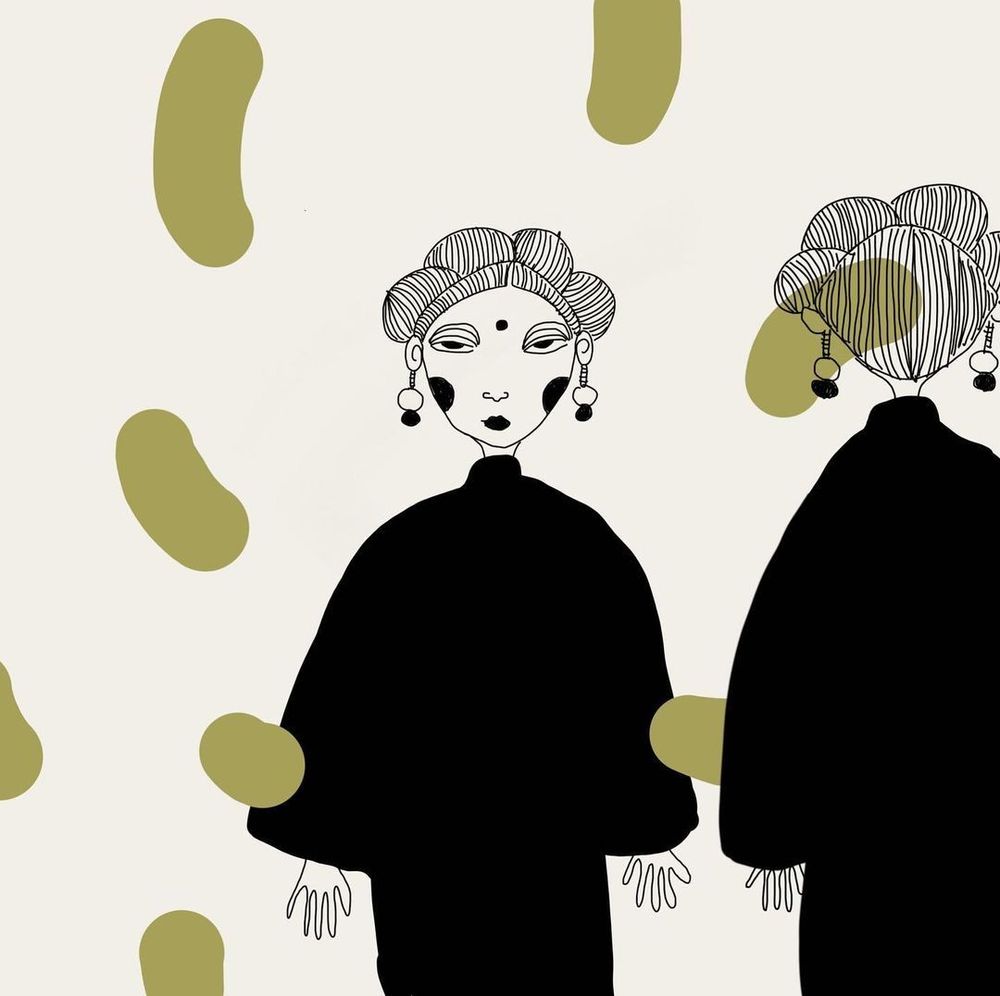
The four Stages of the Automatic Drawings Process - Ideas
What is the way that great automated drawing artists generate concepts while they're drawing? What steps do they take they take in their process of creation which allow the ideas to come to life? Unplugging from the constant stream of thoughts and distractions is the most important aspect of drawing automatically:
Try to be in a relaxed state of mind. Draw in a relaxed manner, without thought, and keep away from controlling the drawing with your mind. Keeping your pencil in the same place on paper will help to flow. In fact, automatic drawing is an art form of accelerated or intensified doodling in which a variety of unexpected and improbable images may be visible and then used to create the foundation for additional visual game.
Araki Koman is a professional illustrator living within the UK. As a child and drawing was her passion, she would do it in a computerized fashion until she reached her teens, but eventually stopped for about a decade. She took a graphic design course when she quit her job in digital marketing. Then, Araki has allowed intuition to steer her career as well as her the process of creative thinking.
View this post on Instagram
A blog post that was shared by A Love Letter to the power of creativity (@creativemindclass)
Automatic drawing examples: Earthy colours Raw lines and organic designs
Organic lines, soft raw lines forms, matte texture and sand-like hues are fused with sand-like colours in Araki Koman's auto-drawings. Araki Koman is currently working on an ink black Raw Feminine series she started in the year 2020. Take a look at the following automatic drawing examplesbelow:
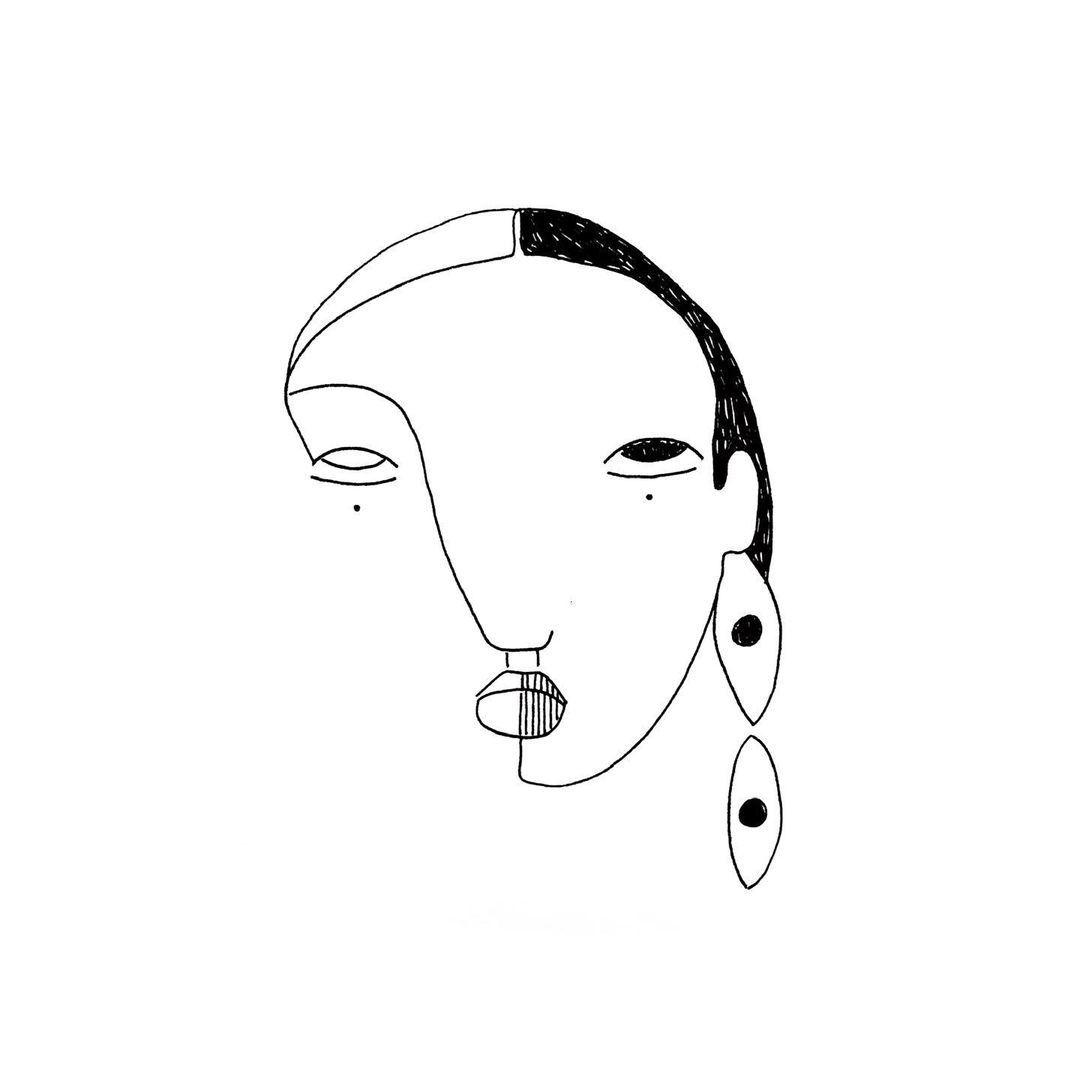
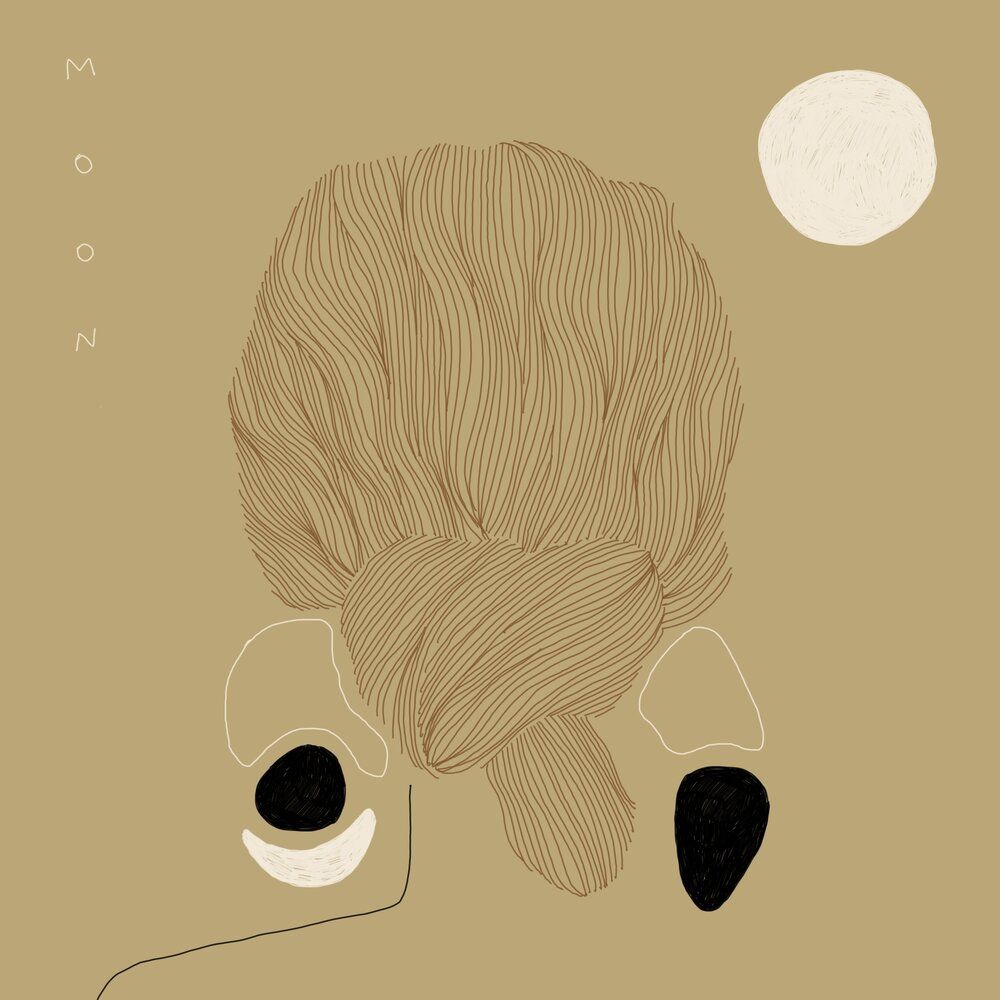
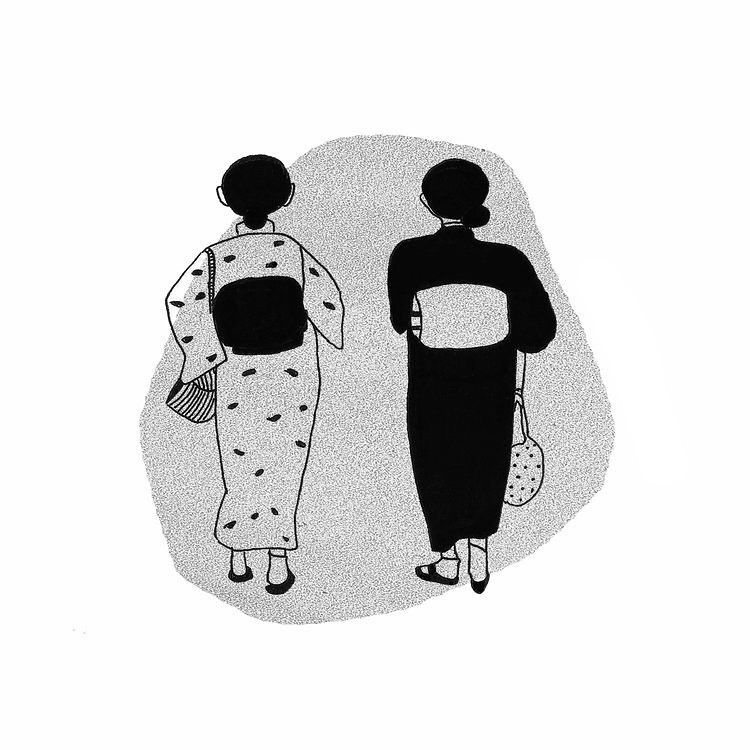
Araki about her automatic drawing process:
To be honest all my actions are completely automatic. If I'm given a task and a request I'm aware of the exact location it needs to be. I know what the client wants. I always trust the process and that it will eventually produce the final result that we both are happy with. There are times when I do find a reference, however I then give the reference to the process and let the process take me to the result. (...) When I see my drawings from the past I never know how to recreate them and I'm not sure that I am the one making them. Yes, it's my hands drawing but it's my hand doing it but I am very spiritual and I feel like it's a higher consciousness working through me.
Four stages of the automated drawing process by Araki Koman.
Stage 1: The preparation
"Usually I begin with a reference image that I like. Then, I draw the element. at some point there is no longer me doing the rest of the drawing, but it's my hands drawing the forms. It's like a puzzle, the pieces are moving on their on their own and I'm simply watching."
Stage 2: Creation
"I enjoy listening to a music or podcast while drawing, to concentrate my mind on something else. I have to completely detach myself from the process and concentrate on something else like the music I am listening to, or the conversation on the podcasts. I'm letting my hands to take over everything by themselves."
Stage 3: Editing
"All editing happens naturally. If I'm editing, I am continuing this process without actually being completely there. Sometimes, I must end my work by taking a break from my task, to another place, and return to review the outcome. Do you think it's the best outcome? Are I satisfied with the result Or should I consider adding some other thing that hasn't come in the first place? The majority of the time the process is very easy as I'm totally disconnected from the world around me. The majority of my time is spent letting go and 10% of doing research, and 10% editing at the end."
Stage 4: Verification
"When I see my automated sketches from my past, I'm not sure how to do them again, and I am not feeling that I am actually doing them. It's not my hands making drawings, but I'm drawing, but I am highly spiritual, and I feel like it's higher consciousness working through my mind. I guess I had a talent initially that pushed me to draw a lot in my early years. I was quite interested in drawing, and so I am aware that it's in a way my mission to do that in this particular moment, within this particular realm and accept this as my current job."
Gaze at more of Araki's auto-drawings on Instagram. Instagram account.
Are you an artist? Create a short video about the creation process
One of the best ways to earn an extra income from your artwork is to demonstrate others the process you followed in your artwork. Turn on the camera and take a video of how you create your artwork. You could create a quick video while making your artwork and sell it as an online course on a video platform to feed your audience with some exclusive BTS information.
Short video courses are the perfect way to get your audience in the process of creating your work and earning money for it. Course creators generally determine the cost of video short courses between $10 and $50. But, the amount you get depends on how you market your online course and its worth to others. If you put your heart into creating the video, and then promote it on social media, you can earn an extra revenue stream on every one of your creations, through showing how you created the video.