
How to Create Online Tutorials - The Ultimate Guide |
If you've ever had to know how to do something, then you've likely seen an online video tutorial. From cooking to auto mechanics from photoshop to bookkeeping there are tutorials for all the things you can think of.
Some are simple tutorials you'll view on YouTube for about 30 seconds for the knowledge you need. Some are advanced, in-depth tutorials you'll pay for. However, all of them have one thing that they all have in common: they'll give the steps to follow for doing what you'd like to achieve.
This guide we're walking you through how to create your own online instructional. If you have something you want to teach online, and you're looking for an alternative way to teach an online course A tutorial could be a more hands-on, focused method of sharing your expertise.
We'll teach you how to create online tutorials that impress your audience. We'll explain the key for a successful tutorial plus tell you how to design it, create it, and even sell it. We'll also guide you through the process of creating your very first tutorial using .
If you're looking for more help in building your online course and community, join OUR Mighty Community for free and meet other new and well-established community leaders! We'd like to get to know you. Join for free!
In this article...
1. How to create online tutorials that make a difference five tips
2.Planning your online tutorial
2.1. Choose your ideal student
2.2. Choose your learning objective
2.3. Choose your delivery model
4. What you'll need for creating an online tutorial
4.1. Gear
4.2. Screen software to capture screen
4.3. Platform
5. How to monetize an online course
5.1. Affiliate marketing or ads
5.2. Selling into coaching or consultation
6. How to create online tutorials that include
6.1. Set up your instructional
6.2. Live vs. recordings
6.4. Invite your members!
6.5. Give the lesson
How to create online tutorials that work five techniques
If you're wondering what you can do to make online tutorials, we should outline a few most effective practices before getting into the nuts and bolts of how to actually do this. So here are 5 secrets to a great online tutorial:
- Maintain a clear focus A tutorial needs to be focused. This isn't an online course that has a wider range of possibilities (although online courses could contain tutorials). Have a specific learning goal with a narrow focus.
- Don't be shy: Even in college, an instructional session is focused on applying substances. Therefore, make sure that your lesson is heavy on application. The best tutorial videos will simply record the instructor performing something.
- Know who it's to be used for: We'll get into this below however, creating a tutorial isn't limited to content you wish to make available - you can only figure this out by finding out who it's for.
- Make it easy: Sometimes the most effective tutorials are straightforward. Forget about complicated tech or advanced editing techniques, or lengthy slide show - instead, just show people what they want to be able to see.
- Make sure you are a standout: A 15 minute tutorial by a robot voice reading a script is a recipe for your audience to die of boredom. Bring some personality to the online tutorial!
Get With a Free Trial There is no credit card needed.
Planning your online tutorial
Pick your best student
A first issues to be able to determine while creating an online tutorial is who it's actually for.
If you're selling it, or not, a successful tutorial needs to focus on someone.
We often think of this as an ideal member or ideal student. Simply, identify the type of person who is the target. Usually, it's somebody with a certain type of challenge.
For example:
- Small business owner who is having difficulty with the tracking of inventory
- An accountant is learning about a new software
- A life coach learning how to make use of email to bring in clients
- An overview of the levels in the newest video game
From business to entertainment, there are a lot of people searching for tutorials.
If you are able to determine the exact goals your ideal student is hoping to achieve from an instructional session, you could make it a reality with their mind. Don't be afraid to even talk to or meet with a couple of your perfect students to learn what their specific challenges are.
Choose your learning objective
Next, decide what your course will be able to be teaching. It is referred to as an objective for learning. But we love to call this the Big Purpose.
Your Big Purpose will be the result that your training will give to the people who attend it. The best methods to define this is to transform the idea into a Big Purpose Statement.
An A-Grade Statement can look similar to this:

Choose your delivery model
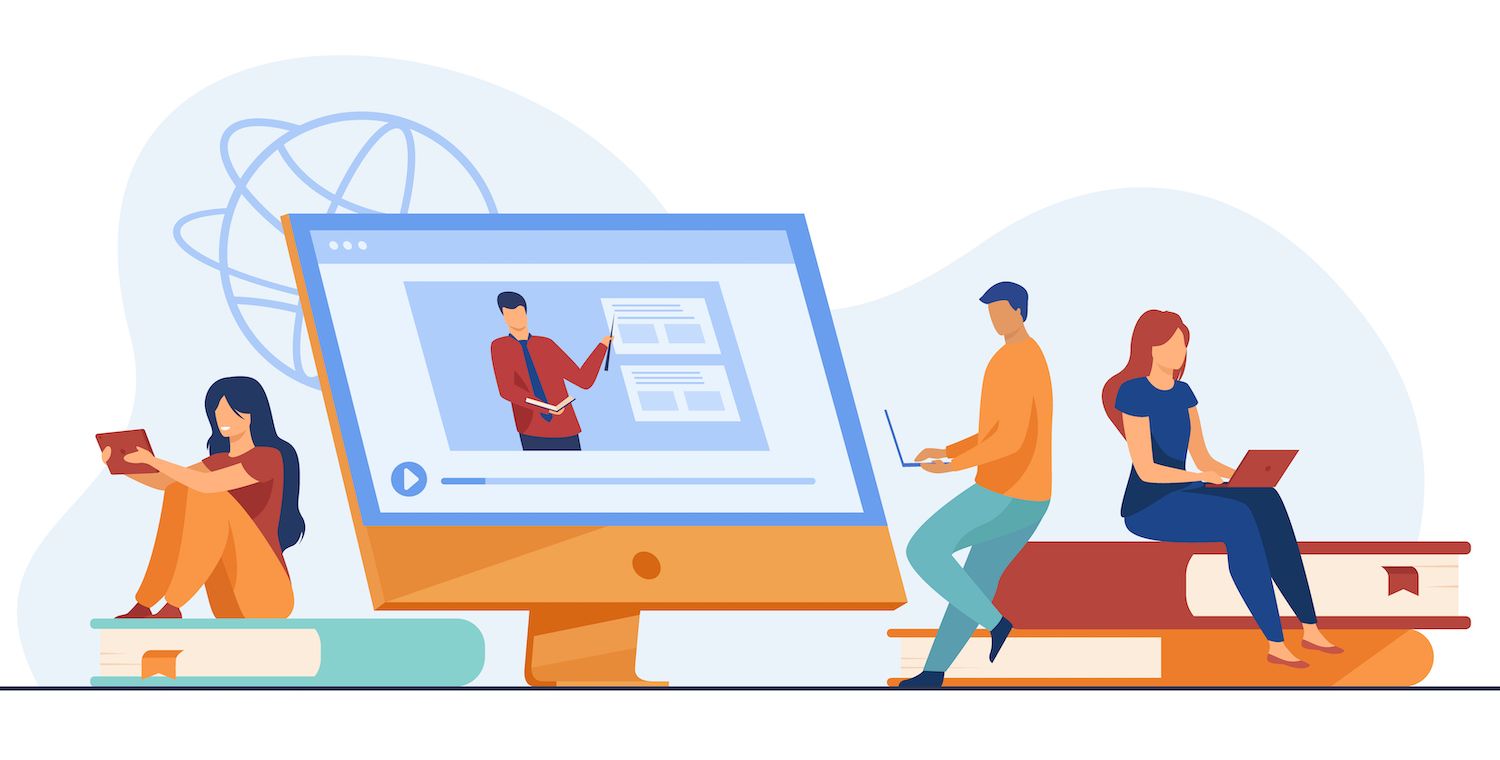
The next thing to do is determine how you would like to present your online course. Are you planning to share the video with the world via YouTube at no cost? Are you interested in embedding it on your company website with Vimeo?
Perhaps you'd like to use a platform like to sell your tutorial and build a business around your knowledge.
A big element of deciding on the best delivery system will probably be based on two factors:
- What do you want? Whether you're seeking a successful online tutorial, fame for your video game tutorials, or even to establish your company as the leader in a field that you are in, you must decide the goals you'd like to achieve.
- What does your audience want are they prepared to shell out a lot of money for the training you provide? Do you provide information that is easily found by doing a simple Google search?
Choose your tech
As you may have guessed, you will always need an element of technology to deliver an online tutorial. So whether you consider yourself as a geek or not, you'll need to understand this aspect.
Certain tutorial creators prefer to use a screen capture software like Camtasia, pre-recording and editing tutorials. Others stick to the basics and create a tutorial in the style of a webinar recording the Zoom webinar, and utilize this.

Additionally, you'll need an internet-based platform to distribute the tutorials, regardless of whether it's a free one such as YouTube or a premium online platform for courses. This will be discussed in more detail below.
Start your free Trial There is no credit card is required.
Inlining your content
Last, but DEFINITELY not least, once you've taken the above steps you'll be able to begin to outline your material. Make it easy. Resist the urge to give them EVERYTHING you know, and instead focus on delivering exactly what they require to reach their educational objectives.
The decision to write an entire speech or presentation is completely up to you. If you decide to read from a script ensure that you have practiced often and feel comfortable with the words. You should practice until that you could almost speak it in your head without having to look - which allows you to add lots of excitement to the presentation.
However, you do not have to write a write a script. A script might help a new public speaker feel more relaxed, it may cause them to stumble and cause the presentation to feel more wooden.
Perhaps it's better to make an outline rather in the hope that you're familiar with your topic, you'll do a great job speaking about the subject! Which you will.
You'll require the following to develop an online tutorial
Gear
When you think about how you can create tutorials online, it's easy to believe that you must purchase $1,000 worth of equipment to get started. There are a lot of options for gear, and a lot of leading creators make use of the top.
But even if you're with a tight budget, you can still get a great result with minimal gear. Here are some suggestions:
- Camera: If you're appearing on screen, a webcam or phone is fine. Try sitting with your camera in an open window with your eyes toward the sun. This is a great way to create great videos without spending a lot of money. If you want to, you could also consider getting something like an ring light that is a great tool for producing top-quality video.
- Microphone Do a search on YouTube and they'll tell you that sound is probably more vital than video. We won't usually close a vid because of scratchy video quality, but a shaky audio is a non-starter. So DO find something to capture your voice well with your laptop's microphone. is probably not going to cut it. It is a good idea to connect a headset that has a mic so that the sound picks up close to the mouth. You could also purchase a cheap USB microphone or lapel conedenser mic to get a little extra audio quality.
Screen capture software
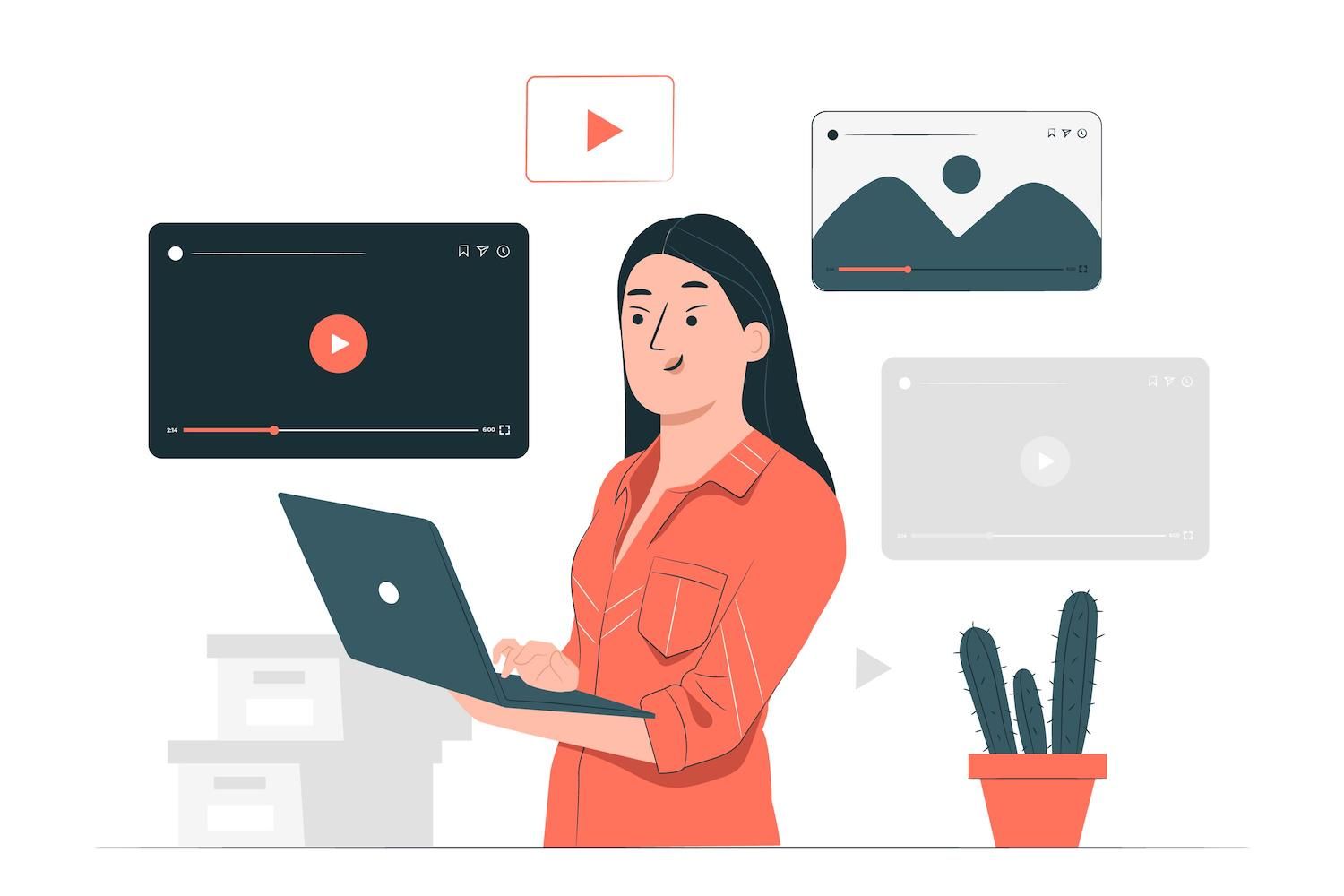
If you're showing the way you can do something using your computer screen, you'll need software to capture the screen. There are a lot of free, screen recording options out there.
However, here's an additional tip to keep it super simple. If you show your video tutorial on Zoom and share the screen as well as record it - - you'll have a great video feed and screen capture without the need for fancy software. Many tutorial builders find this is enough.
Using Zoom will also mean that you won't require editing the sound, video and screen captures together following. You'll be connected. (Although you might consider recording a backup of your audio in case you have difficulties connecting to the internet throughout the instructional. )
Platform
And last but not the first, you'll require the right platform to host your tutorial! And again, the right method for hosting your tutorial depends on the kind of tutorial you're hoping to accomplish!
If you're looking to give it to all the world at no cost, or maybe try to monetize with ads and Affiliate marketing (below) It is possible to choose to create an YouTube channel .
If you want to sell tickets in advance or even present your tutorial live with a recording later, you could select a platform such as , that gives you all the tools you require to create the business of your instructional videos.
If you work for a company or educational institution, you might just see it on the corporate site.
If you're aware of what you'd like to learn after studying your course, you'll be in a better position to pick the appropriate platform.
Start Your Free Trial No credit card required.
How to monetize an online tutorial
If you're thinking about how to create on-line tutorials, then there's a good likelihood that you're considering earning money through your instructional. There are many options to make this happen that we'll discuss here:
Ads or affiliate marketing
Affiliate marketing is a common method of monetizing tutorials for YouTube creators. With an affiliate marketing revenue model, creators can demonstrate with a product. Then, they get compensated by the firm if a customer purchases the product.
For instance when someone is doing an instructional video on web design using a product such as Wix and they were to sign up to Wix affiliate program. Wix affiliate program and earn a commission every when someone purchases the creation of a website with an affiliate link.
Ads are similar as affiliate marketing, however under this scenario, you'd be paid for advertising the item - typically without an affiliate hyperlink. If you formed a relationship with a business that paid you to mention a product at the beginning of a video, it could be considered an ad-model.
Advertisements as well as affiliate marketing function well in conjunction, and many creators make use of both.
The problem with monetizing through advertising and affiliate marketing is the fact that none will provide a long-term income source unless you've got HUGE audience numbers. For instance, suppose that only 2% of your audience are likely to click an affiliate link . Two% of those who click do actually buy the affiliate. If the affiliate you work with pays you a commission of $70 per sale, you'd make $140 per 5,000 views.
It's a lovely small amount of money, but hardly a sustainable enterprise, nor is it a very good reward for your efforts.
Coaching or consulting
If advertising and affiliates don't make the money that people seem to think they are, what's the better way to go about it?
A great method to earn money off your YouTube tutorials is to sell them as consultation or coaching. This monetization strategy that you offer your expertise for free through YouTube and then provide an area where people can make an appointment with you to either guide them or talk to their coach to obtain the results they'd like.
This way, creating tutorials can help users, but they will help you build your individual brand and assist you succeed in a service enterprise.
Cost for tutorial
The most straightforward way to market a course is probably just to charge for it. There aren't all tutorials one that people would pay for, but when you've selected your perfect students carefully and they want to learn, they should be willing to shell out a fee for access.
In this scenario, you can create the tutorial and deliver it live or recorded (more details below), and make it available to your participants for payment. This could be an individual course or part of a larger online class.
Also, this creates chances for your students interact with you and your materials, and to have questions re-posed and to join discussions, and perhaps even to pay for a second tutorial.
Start With a Free Trial Credit card not is required.
How can you make online tutorials using
So if you're wondering what you can do to make online tutorials, let us help you do it using a Mighty Network! Start for no cost and then follow the steps to create your own instructional video.
Configure your instructional program
The first step with an Mighty Network is to set up your new tutorial. Go to Courses in the right sidebar of your Mighty Network and that will lead you to the course-builder.
By default, we use the phrase "Courses" within . Therefore, one of the initial steps to consider is to swiftly go to the course settings and rename the courses we offer as "Tutorials"

We can then create our first tutorial! After you tap the "plus" icon under the tutorial tab It will offer you the opportunity to make an entirely new tutorial.

You can then configure all the essential details for your tutorial!
IMAGE
Live vs. recorded
Another thing to do is decide whether you'll be delivering a live or pre-recorded instructional video. OR, you can choose both! It is possible to present your live tutorial and keep a recorded version to keep selling access to. Plus, the people who paid and watched live are able to watch again.
We have a overview of synchronous and asynchronous. synchronous courses on this page.
Create a tutorial bundle
After that, you'll figure out if and what you'll charge for your tutorial. If you're a member of the Mighty Network, you can make a charge of a one-time payment to teach your course, or you can offer a monthly or annual subscription fee, and provide access to your tutorial with your membership to your group.
Click "Charge for Access" and then your Mighty Network will walk you through the process of creating your very initial tutorial plans.

Invite your members!
Once your tutorial is up and you're ready to invite members to join! The Mighty Network gives you the possibility of inviting members through tagging and messaging current members of the community, or even sharing an invite hyperlink with members who are interested! You can find more information on this on this page.
When you create a tutorial that includes a video, you'll also get an online landing page that you can modify and distribute to potential students! The students can make purchases directly through this landing page.
Deliver the tutorial
Once you're prepared present the course in either live, dripping the content, or giving it all simultaneously!

Conclusion
If you've followed the steps above and learned how to create online tutorials, it's time to start! Are you interested in building your tutorials with ? It's simple, fast, and completely intuitive. In addition, it's more than only a place to post your videos but provides everything you require to create an online tutorial business that is successful!
We don't have to be the only ones who recommend it. You can test it totally free for 14 days. No credit card required!
Try building your first tutorial!